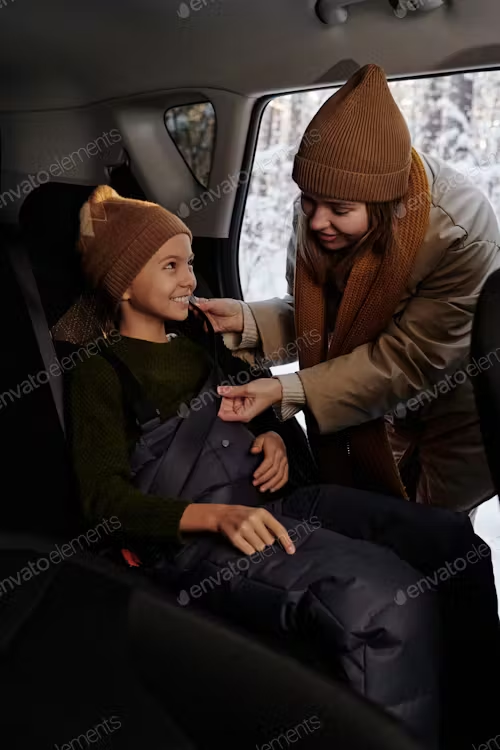
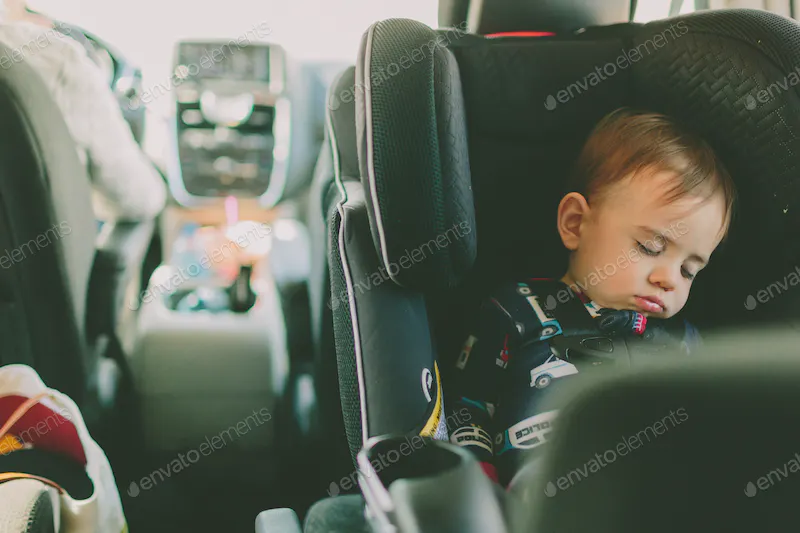
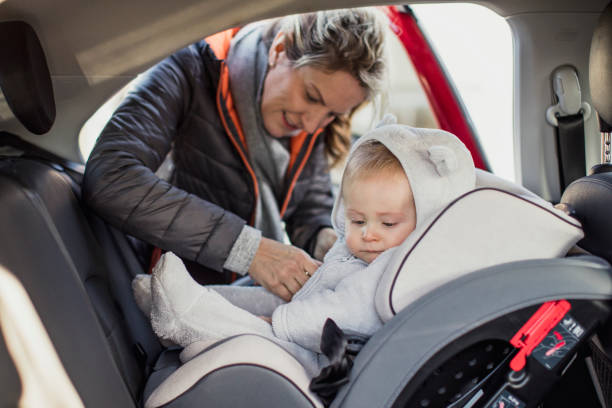
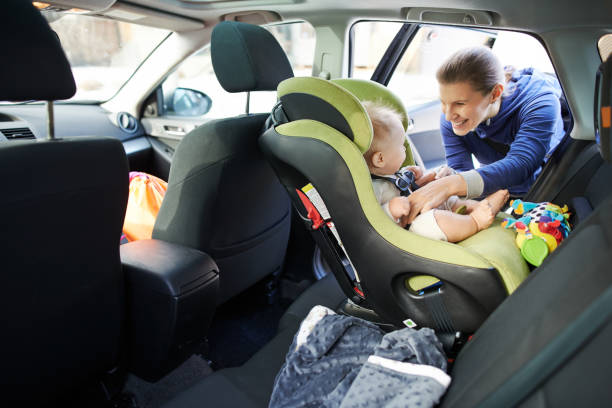
Tuesday, April 30, 2024

What to Do with Your Car Seat After an Accident: Insights from Jeff Lupient


Navigating Post-Accident Car Seat Decisions with Jeff Lupient

media1.popsugar-assets.com
Car seats play a vital role in safeguarding passengers, especially young children, by offering the essential support and protection needed during vehicle journeys. These seats are engineered to significantly diminish the risk of injury should an accident occur, acting as a critical barrier between the child and potential harm.

Jeff Lupient emphasizes that after experiencing a car accident, it's absolutely imperative to manage your child's car seat with the utmost care to ensure their continued safety. To achieve this, he outlines specific steps that parents and guardians should meticulously follow, reinforcing the importance of car seats in the overall safety strategy for children during vehicular travel.


Assess the severity of the crash.

If the crash was minor, meaning there was no significant damage to the vehicle and no injuries reported, you may not need to replace the car seat.

However, it's crucial to carefully review and adhere to the manufacturer's guidelines regarding crash impacts.

For moderate to severe crashes, where the vehicle sustains considerable damage, or there are injuries, it's imperative to replace the car seat with a new one to ensure the safety of your child.


Adhere to NHTSA recommendations.

It is imperative to replace the car seat if it meets any of the following conditions:

The vehicle was involved in a collision severe enough that it required towing from the crash site, indicating a significant impact.

The car seat was located near a door that sustained damage during the crash, potentially affecting the seat's safety.

Any occupant of the vehicle sustained injuries during the crash, suggesting the collision was serious.

Airbags, whether they are front, side, or knee airbags, were deployed, indicating a forceful impact.

The car seat shows visible signs of damage, such as cracks in the plastic, creases in the fabric, or any broken parts, which could compromise its structural integrity and safety.

Jeff Lupient notes it's crucial to note that even if the car seat was unoccupied during the incident, it could still have been subjected to crash forces powerful enough to compromise its integrity, making it unsafe for future use.


Follow the manufacturer's instructions.

Some manufacturers strongly advise that you replace the car seat after any crash, no matter how minor or severe the impact may be, to ensure the utmost safety for your child.

It's important to consult the user manual of your specific car seat model for detailed instructions and recommendations on replacement after an accident.


Consider insurance reimbursements.

Talk with your insurance company regarding the possibility of obtaining reimbursement for car seats. This can significantly reduce the financial burden associated with purchasing a new car seat for your child.

Be aware that in certain states, such as California, insurance companies are required by law to cover the full cost of a new car seat if it's needed. This legislation ensures the safety of young passengers and provides financial relief to families.


fourwaysreview.co.za

Follow proper disposal.

To guarantee that the old car seat is safely disposed of and not reused, follow these detailed steps:

Start by removing the seat cover. This is often the first step in making the car seat less appealing for reuse.

Next, cut off the straps with a strong pair of scissors or shears. Alternatively, you could use a hammer to smash the seat shell, making it structurally unsound for use.

Lastly, clearly mark the seat with a permanent marker, writing "DO NOT USE" or "EXPIRED" on it. This serves as a final precaution, deterring anyone from attempting to use the car seat for a child.


Jeff Lupient emphasizes the paramount importance of your child's safety, insisting that adhering to the manufacturer's recommendations and guidelines should always take precedence, particularly after a crash. He advises that taking the time to thoroughly review and follow these safety instructions can significantly mitigate risks and ensure the well-being of your child in the event of an unexpected incident.

Read more articles about car seat safety and features by subscribing to this Jeff Lupient page.

Tuesday, March 26, 2024

Exploring Car Seat Safety Standards with Jeff Lupient


Understanding Car Seat Safety Standards with Jeff Lupient

pyxis.nymag.com
Car seat safety standards are vital for protecting children and passengers in vehicles. According to Jeff Lupient, these stringent guidelines, crafted by manufacturers to meet government regulations, health organization standards, and industry benchmarks, help customers choose the right product based on factors like age, weight, height, and vehicle fit. Embracing these standards in parenting decisions ensures a safer travel experience. Manufacturers must adhere to specific design and testing parameters to meet car safety standards. Rigorous testing ensures that each car seat model offers reliable protection, instilling trust in consumers for child safety during accidents or sudden stops. Compliance with these standards enables injury prevention and reduction. Regulators and automakers rely on these guidelines to ensure effective testing and proper installation practices are in place.

When national laws mandate car seat usage, the effectiveness of car seats improves significantly. Understanding how car seat safety standards contribute to life-saving products being more widely available in the market is crucial.


What are the Car Seat Safety Standards?

When selecting car seat safety equipment, it is crucial to consider the various safety standards that could impact your purchase decision. Different countries and regions have specific laws and regulations governing the usage of car seats. Therefore, having a good grasp of the safety standards relevant to your location is essential to ensure that you acquire the most optimal and secure product available.

In the United States, car seats are required to comply with the Federal Motor Vehicle Safety Standard (FMVSS) 213 before being permitted for use in a vehicle. These standards involve subjecting a sample of each model to crash tests at 35 miles per hour (mph) conducted by a government-certified laboratory. Jeff Lupient adds that the performance tests encompass aspects like maximum crash force limits, user-friendly installation designs, and clear instructional labels to aid parents in correctly installing their car seats. Furthermore, some states have specific requirements that manufacturers must adhere to before selling their products within that state. These requirements may involve criteria like the positioning of vehicle anchors or specific labeling for booster seats designed for children up to 8 years old.

Beyond the U.S., additional safety standards come into play when considering traveling with your child abroad or buying a car seat from a different country. For instance, Canada adheres to the Canadian Motor Vehicle Safety Standard (CMVSS) 213, which includes rigorous testing like an agility assessment for forward-facing restraints. This test can simulate common scenarios of misuse, such as fidgeting or exposure to extreme temperatures during changes in altitude, like those experienced in airline cabins. Meanwhile, the European Union operates under the ECE Regulation R44, focusing solely on rear-facing infant restraints. Their advocacy for enhanced child passenger safety regulations globally is evident through non-binding recommendations that encourage improvements, fostering collaboration among governments with shared interests in road traffic safety (General Assembly Resolution A/50/482).

csus.britax.com

Crash Testing

Crash testing assesses car seat designs' effectiveness in safeguarding occupants during collisions. It examines not only the seat itself but also its interaction with other safety components like anchors and LATCH anchor locations.

Jeff Lupient explains the process involves accelerating a dummy in the seat to a set speed and then colliding it into a wall. Data obtained helps evaluate factors like head protection, injury risk, impact absorption, stability, and response time. Manufacturers must subject their car seats to this testing to meet safety standards.

Frontal Impact

When purchasing a car seat, ensure it meets the latest safety standards set by FMVSS for frontal impact protection. Follow the manufacturer's manual and local authorities' guidelines for proper installation.

For infants up to 1 year and over 20 lbs., use a rear-facing infant-only or convertible seat; older children can switch to forward-facing seats at one year (or 20 lbs.). Look for seats with side impact protection, tether anchors, and shoulder pads for comfort and safety.

When installing a rear-facing seat, position the base at a 45-degree angle between the backrest and the vehicle seat. Ensure a secure fit without gaps for emergencies.

For children 4-8 years old (or 40 lbs.), check if they fit properly by measuring shoulder level with ears. Use booster seats if needed for maximum protection during travel.

Side Impact

Side impacts contribute to about 25% of all traffic fatalities, underscoring the importance of a car seat that offers robust protection in such collisions. Jeff Lupient notes that the aim is to provide sufficient cushioning and containment to secure the child and prevent ejection in a side impact. Car seats with higher safety ratings typically feature reinforced side walls and internal structural enhancements for added protection. Additionally, these seats may offer features like adjustable headrests and side bolsters for extra cushioning in case of an accident. Look for seats with adjustable straps and buckles to accommodate different sizes and support kids through growth spurts. Aim for a top-rated car seat in crash tests that assess both frontal and side impacts to ensure the child's security in any situation.

Rollover protection

It is crucial when choosing a car seat. In a rollover, the seat limits your child's movement and shields them from the vehicle's impact. Car seats undergo rigorous testing, including rollover simulations. They must maintain their shape and integrity to meet safety standards.

For added safety, opt for car seats with deep, wide sides and secure harnesses with multiple points of contact. Look for seats that have undergone side-impact and lateral-impact testing for extra reassurance.

Weight and Height Limits

Ensure your child is securely fastened in a car seat suitable for their age and weight. Adhere to the seat's specific weight, height, and maximum capacity limits to maintain their safety. Seats with higher weight limits should have adjustable straps for secure and comfortable positioning. Rear-facing seats cater to narrower weight ranges, while convertible styles accommodate a wider range of children. Jeff Lupient suggests checking manufacturer guidelines for weight and height recommendations due to brand variations. Height Limitations: Manufacturers provide height recommendations for their seats to determine if a child has outgrown it. Heights range from 32 to 52 inches, with higher ranges for booster seats to fit the lap belt correctly over the child's hips.

Stay tuned for additional discussions and insights on car seat installation and safety on Jeff Lupient 's page.

Wednesday, February 21, 2024

Jeff Lupient: Make a Smart Choice for Your Child's Car Seat


envato.com

Jeff Lupient: Key Features to Consider When Buying a Car Seat

Choosing the right car seat for your child is a significant decision, and with the convenience of online shopping, it's essential to be well-informed. Jeff Lupient shares key features to consider when browsing car seats online:

Safety standards and certification
Prioritize safety by ensuring that the car seat meets or exceeds safety standards. Look for certifications from reputable organizations such as the JPMA (Juvenile Products Manufacturers Association) or the NHTSA (National Highway Traffic Safety Administration).

Age, weight, and height limits
Make sure of the age, weight, and height limits of the car seat to ensure it's suitable for your child's current and future needs. According to Jeff Lupient, a car seat that accommodates your child's growth is a wise investment.

Installation system
Consider the installation system. Some car seats use the traditional seat belt method, while others come with the LATCH (Lower Anchors and Tethers for Children) system. Choose one that you are comfortable with and is compatible with your vehicle.

Adjustable harness and recline options
Look for a car seat with an adjustable harness that can adapt as your child grows. Jeff Lupient says recline options are also valuable, providing comfort for your child and accommodating different vehicle seat angles.

Ease of cleaning
Children can be messy, so opt for a car seat with removable and machine-washable covers. Easy-to-clean features will help maintain the hygiene and appearance of the car seat.

Side-impact protection
Prioritize car seats with additional side-impact protection features. According to Jeff Lupient, these elements add an extra layer of security in the event of a collision, enhancing the overall protective capabilities of the car seat.

Convertible or all-in-one options
Consider whether a convertible or all-in-one car seat is more suitable for your needs. Convertible seats can be transformed from rear-facing to forward-facing, accommodating different stages of your child's development. All-in-one options can further evolve into booster seats, offering an extended usage period.

Travel system compatibility
If you have a travel system or plan to use the car seat with a stroller, ensure compatibility. Some car seats are designed to seamlessly integrate with specific stroller models, providing convenience for on-the-go parents.

envato.com

Reviews and ratings
Pay attention to customer reviews and ratings. Real-world experiences from other parents can offer insights into the practicality, durability, and overall satisfaction with the car seat.

Brand reputation
Choose car seats from reputable brands known for their commitment to safety and quality. According to Jeff Lupient, established brands often invest in rigorous testing and follow high standards.

By considering these key features, you can make an informed decision when browsing car seats online. Prioritize safety, comfort, and practicality to ensure that the chosen car seat meets the specific needs of both you and your child.

Get additional insights and guidance from Jeff Lupient on selecting the appropriate car seat for your kids on his blog. Stay tuned for regular updates by following this page.

Wednesday, January 31, 2024

Jeff Lupient: The Best Practices for Pre-Ordering a Car


Jeff Lupient: How to Have a Smooth Car Pre-Order Experience

Pre-ordering a car is an exciting process that allows you to secure the latest model with the features you desire. To ensure a smooth experience, Jeff Lupient asks potential buyers to consider the following best practices:


Do your research.

Look into different car models and read reviews. Jeff Lupient suggests starting by exploring various car models. It will allow you to find a model that meets your preferences and needs. Read reviews, compare features, and consider factors like fuel efficiency, safety ratings, and technology offerings.

Set a budget.

Decide how much you want to spend, including extra costs. Ensure a budget that aligns with your financial situation. Consider the upfront cost and ongoing expenses like insurance, taxes, and maintenance.

Explore financing. 

Check out loan options and choose what suits you best. Look into financing options available to you. According to Jeff Lupient, understanding your financing choices is crucial if you plan to pay in cash, secure a loan, or lease.

Visit dealerships.

Physically visit dealerships to test drive the models you're interested in. Experiencing the feel of the car firsthand can significantly impact your decision.


Check websites. 

Visit the official websites of car manufacturers to stay updated on upcoming models, features, and release dates. Jeff Lupient shares that manufacturers often provide detailed information and allow customers to configure their cars online.

Understand pre-order items. 

Read and comprehend the terms and conditions associated with pre-ordering. Ensure you are aware of any deposit requirements, cancellation policies, and expected delivery timelines.

Secure pre-order incentives. 

Get any bonuses offered for pre-ordering early. Many automakers provide incentives for early pre-orders, such as discounts, special financing rates, or added features. Take advantage of these perks if available.

Confirm warranty and maintenance. 

Make sure you understand the warranty and maintenance. Understand the warranty coverage offered with your pre-order. Moreover, ask about maintenance packages and their associated expenses.

Ask about the delivery time. 

Ask when your pre-ordered car's estimated arrival. Keep in mind that delays may happen, so it's good to have a reasonable idea to manage your excitement.

Stay informed.
 

 Maintain regular communication with the dealership. It's best to stay informed about the production status of your car and any potential updates or changes to the delivery schedule.

Be prepared for changes. 

Acknowledge that plans might evolve during the pre-order process. Jeff Lupient suggests being flexible and open to adjustments, ensuring a more seamless experience.

Review and confirm the order.

Before finalizing your pre-order, carefully review all details regarding your car. Confirm that the chosen specifications, colors, and optional features align with your preferences.

By following these best practices, Jeff Lupient says you can navigate the pre-order process with confidence, securing the car of your dreams while avoiding potential pitfalls.

Read articles on car pre-ordering, road safety, and other topics on driving when you follow this Jeff Lupient page.

Jeff Lupient: Ensure a Perfect Fit with Your Child's Car Seat


Jeff Lupient: Choose a Car Seat Compatible with Your Vehicle

In the quest to prioritize child safety during car journeys, selecting a suitable car seat is crucial. A common concern parents face is ensuring that the chosen car seat fits seamlessly into their vehicle. Jeff Lupient delves into some simple yet effective tips to guarantee compatibility and maximize safety for your little ones.

Envato.com

Know your vehicle

Begin by understanding the specifics of your vehicle. Car seat compatibility depends on the type of vehicle you own, including factors like the size, model, and the presence of certain safety features. Familiarize yourself with your vehicle's manual and specifications.

Check the car seat manual

Each car seat is accompanied by specific guidelines outlining its compatibility with diverse vehicle models. Refer to the car seat's manual, which typically includes a list of compatible vehicles and guidelines for installation.

Utilize online resources

Leverage online tools and resources provided by both car seat manufacturers and vehicle companies. Jeff Lupient shares that many websites offer compatibility checkers where you can enter details about your car seat model and vehicle to ensure they are a suitable match.

Measure your vehicle's interior


Take measurements of the back seat area where the car seat will be installed. Consider the available space and dimensions, ensuring it accommodates the car seat comfortably. This step is vital, particularly when handling smaller or compact vehicles.

Envato.com
Visit a retailer

Head to a store that specializes in car seats and child safety. Physical retailers often have display models that you can try in your vehicle before making a purchase. This practical approach enables you to evaluate the fit personally.

Understand installation requirements

Different car seats may have varying installation requirements. Some may require additional space due to specific features or mechanisms. Familiarize yourself with these requirements to ensure they align with your vehicle's setup.

Consider the car seat base

If your car seat comes with a detachable base, check its dimensions and compatibility with your vehicle. According to Jeff Lupient, some bases may require a specific arrangement or might not be suitable for certain vehicle models.

Test before purchasing

Whenever possible, test the car seat in your vehicle before making the final decision. This practical approach helps you identify any potential issues or challenges related to fit and installation.

Check for additional features

Some vehicles come with unique features, such as contoured or unusually shaped back seats. Jeff Lupient suggests ensuring the car seat is designed to work seamlessly with these features to guarantee a secure fit.

Seek professional assistance

If you face difficulties or uncertainties, consider consulting with a certified Child Passenger Safety Technician (CPST). They have specialized knowledge in car seat safety and can give personalized insights, especially for your vehicle and car seat.

Jeff Lupient says that taking the time to ensure compatibility is a small investment for the long-term well-being of your little passengers.

Explore additional insights and guidance from Jeff Lupient on selecting the appropriate car seat for your children through his blog. Stay tuned for regular updates by following this page.

Thursday, December 28, 2023

Jeff Lupient: How to Buy a Good Car Seat Online

Jeff Lupient: Tips for Buying a Car Seat Online


Image source: img.freepik.com

There are a couple of tips to keep in mind when buying a car seat online, notes Jeff Lupient. Online shopping is a good option to avoid crowded areas, but it is important to follow a few guidelines to ensure you get a car seat that meets federal safety guidelines.

When buying a car seat, make sure it fits in your car and can be installed properly every time. It is also important to check the height and weight limit of the car seat to ensure you get one that is appropriate for your child, adds Jeff Lupient.

The National Highway Traffic Safety Administration has developed several resources to help you determine which type of car seat to use. Also, it gives you the option to compare different types of car seats. Once you know which kind of car seat to buy, you must get one that meets federal guidelines. When purchasing online, it can be very difficult to determine if you are getting a car seat from a third party. If you don't know what to look for, you may end up getting a counterfeit seat.

Here are a couple of things to keep in mind when buying a car seat online:

• Buy the car seat directly from the manufacturer so you can be sure the seat is not a knockoff or counterfeit seat.

• Be careful when buying seats on Amazon or other sites that allow third parties to sell seats. Many counterfeit seats are unsafe as they do not meet the federal safety guidelines.

• Even if the car seat looks the same as the original, it may not have met safety standards.

• Be careful with deals that seem too good to be true or car seats that are very cheap.

.. • Check the American Academy of Pediatrics to see if the car seat brand is listed on their website. All car seats that are listed on the website meet federal safety guidelines.

• When buying from a retailer, make sure it is a reputable retailer that sells seats directly from manufacturers.

• Check to make sure they have a return policy.

• Never buy a used or secondhand car seat from social media. Jeff Lupient does not recommend buying a used seat because you do not know the history of the seat. If the seat has been involved in an accident or is missing any of the safety features, it is not safe to use.

Image source: img.freepik.com


It is the primary duty of parents to make sure their child is safe and healthy at all times. Buying a car seat is one of the many important decisions you must make to ensure your child's safety, adds Jeff Lupient.

Learn more about car seat safety and features by subscribing to this Jeff Lupient blogsite.

Thursday, December 21, 2023

Jeffrey Lupient: Should You Consider Used Car Seats?


Jeffrey Lupient Shares His Insights on Used Car Seats

A car seat or booster seat is specially designed for the safety of infants and children when traveling in a vehicle. The primary purpose of these seats is to protect their occupants in the event of a car crash or sudden stop, as regular seat belts are not designed to fit children properly, mentions Jeffrey Lupient. As most brand-new car seats come with hefty prices, should you settle for a used one?

evenflo.com
There's no doubt that a used car seat can help save you money. However, there are a few things you need to consider before skipping a brand-new unit. Consider the history of the car seat. According to Jeffrey Lupient, if a used car seat is in good condition, has never been involved in a car accident, and has all its parts and labels, it can still provide a reasonable level of safety. However, if the seat is damaged, has missing parts, or is expired, it may not offer the same level of protection. Check if the manufacturer has recalled the car seat. If it has, find out if the necessary repairs or updates have been made.
Ensure that the car seat comes with its original instruction manual and is within the guidelines provided by the manufacturer. Check for labels that indicate the seat meets federal safety standards, reminds Jeffrey Lupient. Proper installation is crucial for a car seat to be effective. Make sure you can install the used car seat securely in your vehicle. Consider consulting with a certified to help with the installation.
 

safewise.com

While it is possible to use a secondhand car seat safely, it's essential to exercise caution and thoroughly inspect the seat before use, shares Jeffrey Lupient. If you have any doubts about the history or condition of a used car seat, or if it doesn't meet current safety standards, it might be safer to invest in a new one. Additionally, always register the car seat with the manufacturer so that you can be notified in case of any recalls or safety issues.

Learn more about car seat safety and features by subscribing to this Jeffrey Lupient page.

Tuesday, November 21, 2023

Jeff Lupient: The Advantages of a Rear-Facing Car Seat


Jeff Lupient on How a Rear-Facing Car Seat Can Be Helpful


When it comes to ensuring the safety of infants and toddlers during car rides, rear-facing car seats are the preferred choice for many parents and caregivers. These seats are designed to provide the highest level of protection for young children, and safety authorities like the American Academy of Pediatrics strongly recommend their use. Jeff Lupient discusses the advantages of using rear-facing car seats. 

Envato.com


Superior protection for young bodies

The primary advantage of rear-facing car seats is the enhanced protection they offer to young children in the event of a crash. Infants and toddlers have developing necks and spines, which are highly vulnerable to injury. In a rear-facing position, the car seat cradles the child's entire body, distributing the force of a collision more evenly, significantly lessening the risk of head, neck, and spine injuries.

Minimizes the impact of forward motion

In a front-facing car seat, a child's body moves forward during a collision, exerting tremendous force on their delicate neck and spine. According to Jeff Lupient, rear-facing car seats are designed to minimize this forward movement, providing an added layer of safety that can prevent severe injuries.

Suitable for infants and toddlers

Rear-facing car seats are specifically designed to accommodate infants and young children, providing them with a snug and secure fit. These seats have adjustable harnesses, headrests, and additional padding to ensure a comfortable and safe ride.

Extended use

Many rear-facing car seats are convertible, meaning they can be used in both the rear-facing and front-facing positions. This versatility allows children to remain in the safer rear-facing position for an extended period, often until they go beyond the maximum height or weight specified by the car seat manufacturer. This extended use promotes safety and is recommended by safety advocates like Jeff Lupient.

Supports safer sleep

Many rear-facing car seats are designed to recline at the proper angle to support a child's airway and reduce the risk of positional asphyxia. According to Jeff Lupient, this is particularly important for infants who may fall asleep during car rides.

Easy installation

Modern rear-facing car seats are designed with user-friendly features for quick and secure installation in various types of vehicles. It makes it easier for caregivers to ensure their child's safety during every trip.

Envato.com
The advantages of rear-facing car seats are clear, with their unmatched safety features designed to protect infants and toddlers during car journeys. As responsible caregivers, it's essential to prioritize these advantages by adhering to safety guidelines and using rear-facing car seats for as long as possible to ensure the well-being of our youngest passengers. Jeff Lupient and safety experts continue to emphasize the importance of this safe and sound practice in child transportation.

Jeff Lupient shares more tips and advice on choosing the right car seat for your children in his blogs. Follow this page for updates. 

Monday, November 13, 2023

Jeff Lupient: How to Fix Car Seat Safety Mistakes


Jeff Lupient: Four Car Seat Mistakes to Avoid


Car seats are complicated, says Jeff Lupient. That's why it's unsurprising that almost half of all car seats are used or installed incorrectly, according to the National Highway Traffic Safety Administration.

images.pexels.com
Of course, we don't want to put our kids in danger intentionally. As parents, our children's safety is our top priority, especially in the car, where crashes remain one of the leading causes of death for children. The good news is that while car seat mistakes are quite common, there are many things we can do to keep our kids safe in the car.

Jeff Lupient rounds up expert tips on common car seat safety mistakes and how to prevent them.

The Car Seat is Too Loose

Jeff Lupient notes that car seat installation mistakes are very common. The car seat is often not securely attached to the vehicle or installed properly.

The Solution: Ensure the car seat is securely installed by confirming that it moves less than an inch in any direction when checked at the belt path.     The Chest Clip is Too Low or Too High

Harnessing mistakes are also common, Jeff Lupient says. Details matter about the overall adjustments of harness straps, the tightness of the straps, and the crotch buckle, as well as the chest clip placement, if your car seat has one. All these details must be spot-on for your car seat to properly protect your child in a crash.

The Solution: Place the chest clip at the top of your kid's armpits. It ensures that the shoulder straps will remain firmly planted on the top of your kid's shoulders.

images.pexels.com

Moving Forward-Facing Too Soon

Another common mistake parents make is moving their child to the next stage of a car seat too soon, Jeff Lupient points out. It puts a child at risk, so parents are encouraged to take this slow. 

The Solution: Keep your child's car seat rear-facing until they have reached the weight or height limit the car seat manual allows.

Wearing Puffy Coats

A puffy coat may keep your child warm. Still, the extra padding of the coat provides a false sense of tightness—it creates space between your child's body and the harness that allows for movement that could cause life-threatening injury or even death in a crash or collision, notes Jeff Lupient.

The Solution: Buckle your child securely into the seat without additional layers. Use a blanket tucked snugly around their body or hand them their coat to use like a blanket to keep them warm, explains Jeff Lupient. 

 For more discussions on car seat safety, features, and other related topics, follow this Jeff Lupient page.

Tuesday, October 31, 2023

Jeff Lupient: Are Rear-Facing Car Seats Safer?


Jeff Lupient: The Best Position for Your Car Seat


Many parents don't know when it's safe to switch their child's rear-facing car seat to the forward-facing position, notes Jeff Lupient. Expert organizations used to say it's safe to turn your child's car seat around at age 2. However, the recommendations have changed in recent years.

istockphoto.com 
The American Academy of Pediatrics (AAP) now recommends that children stay rear-facing as long as possible, even after turning 2, and making the switch shouldn't be based on age. The reason? Rear-facing car seats are better at protecting the head, neck, and spine in the event of a car crash.

Rear-facing car seats and convertible seats

According to Jeff Lupient, infants should always be in rear-facing car seats. Two types are safe for young children.

Many parents prefer to start with a rear-facing car seat because they're portable, lightweight, and convenient. Rear-facing car seats come with a base plus a seat that clicks into place, so you can quickly take the seat in and out, explains Jeff Lupient. Infant car seats also have handles that make them easy to carry when your infant is inside.

The downside? Babies tend to outgrow infant car seats well before they're ready to face forward. Most rear-facing car seats have an upper weight limit between 30 and 35 pounds and an upper height limit of 30 to 35 inches. An upgrade is necessary once your infant reaches the maximum height or weight, whichever comes first. The next step is to buy a convertible car seat that can start in a rear-facing position and eventually face forward when your child is much bigger.

Convertible car seats are typically heavy and bulky and are designed to stay put in your car, explains Jeff Lupient. You can't easily carry them around, so many parents choose to start with a lightweight rear-facing infant seat. 

istockphoto.com 
Still, convertible car seats are safe for infants, notes the AAP. They can be an excellent option for families who'd prefer not to eventually buy another car seat: Convertible seats can be used rear-facing until a child is between 40 and 50 pounds and then can face forward until a child is 65 pounds or more, explains Jeff Lupient.

Why are rear-facing car seats safer for children?

Infants and toddlers have less mature connective tissues and bones at greater risk for serious injury. Rear-facing seats act as a protective cradle — particularly for your child's delicate neck and spinal cord — in a serious accident. They give young children more protection, and age alone isn't enough to determine whether a child is physically developed to sit in a front-facing seat, adds Jeff Lupient. 


For more discussions on car seat safety and features, follow this Jeff Lupient page.

Thursday, October 26, 2023

Jeff Lupient Discusses Rear-Facing Child Car Seats


Learn About Rear-Facing Car Seats with Jeff Lupient


According to Jeff Lupient, the three types of rear-facing seats are rear-facing only, convertible, and all-in-one. The AAP recommends that all infants ride rear-facing seats starting with their first ride home from the hospital. In addition, all infants and young children have to ride in a rear-facing seat for as long as possible or until they reach the maximum weight and height their car seat manufacturer allows.

Almost all convertible seats have limits. These allow children to ride rear-facing for two years or more. However, as children reach the maximum weight and height or length allowed by the manufacturer for their rear-facing–only seat, they have to continue riding rear-facing seats in a convertible or all-in-one seat.
 
istockphoto.com
On that note, here are the three types of rear-facing seats in child car seats.

1. Rear-Facing Only   

Rear-facing seats are meant to be used for and by infants up to 22 to 35 pounds and 26 to 35 inches. It depends on the model. Most models are small and have carrying handles. They also typically come with a base that can be left inside the car. The seat clicks into and out of the base; thus, you don't have to install it each time you use it, explains Jeff Lupient. Parents can buy more than one base if they have additional vehicles.

Some models of rear-facing car seats include load leg or anti-rebound bars, which help absorb the energy of a crash. Load legs decrease forward rotation in the initial phase of a crash. The anti-rebound bars protect children during the second phase of a crash from rearward rotation.  

istockphoto.com
2. Convertible   

Convertible car seats can be rear-facing and then converted to forward-facing when children outgrow the weight or height and length limit for rear-facing. This also means your child can use convertible car seats longer, adds Jeff Lupient. 

Convertible seats are bulkier than infant seats. They don't come with carrying handles or separate bases. They are also designed to stay in the car. Many convertible car seats have higher limits in rear-facing weight, up to 40 to 50 pounds. This feature makes convertible seats ideal for babies who are bigger and toddlers.  

3. All-In-One

All-in-one car seats can be used as rear-facing, forward-facing, or belt-positioning boosters. It also means your child may use the seat longer as they grow. This type of car seat is often bigger, so you'll have to check if it fits in the vehicle when facing the rear.

All-in-one car seats don't have a carrying handle or separate base, but like convertible car seats, many models have higher limits in rear-facing weight of up to 40 to 50 pounds, says Jeff Lupient.  

Read more about car seat safety and features by subscribing to this Jeff Lupient page.
Thursday, October 19, 2023

Jeff Lupient's Tips on Safely Installing Car Seats


Jeff Lupient on Ensuring Properly Installed Car Seats

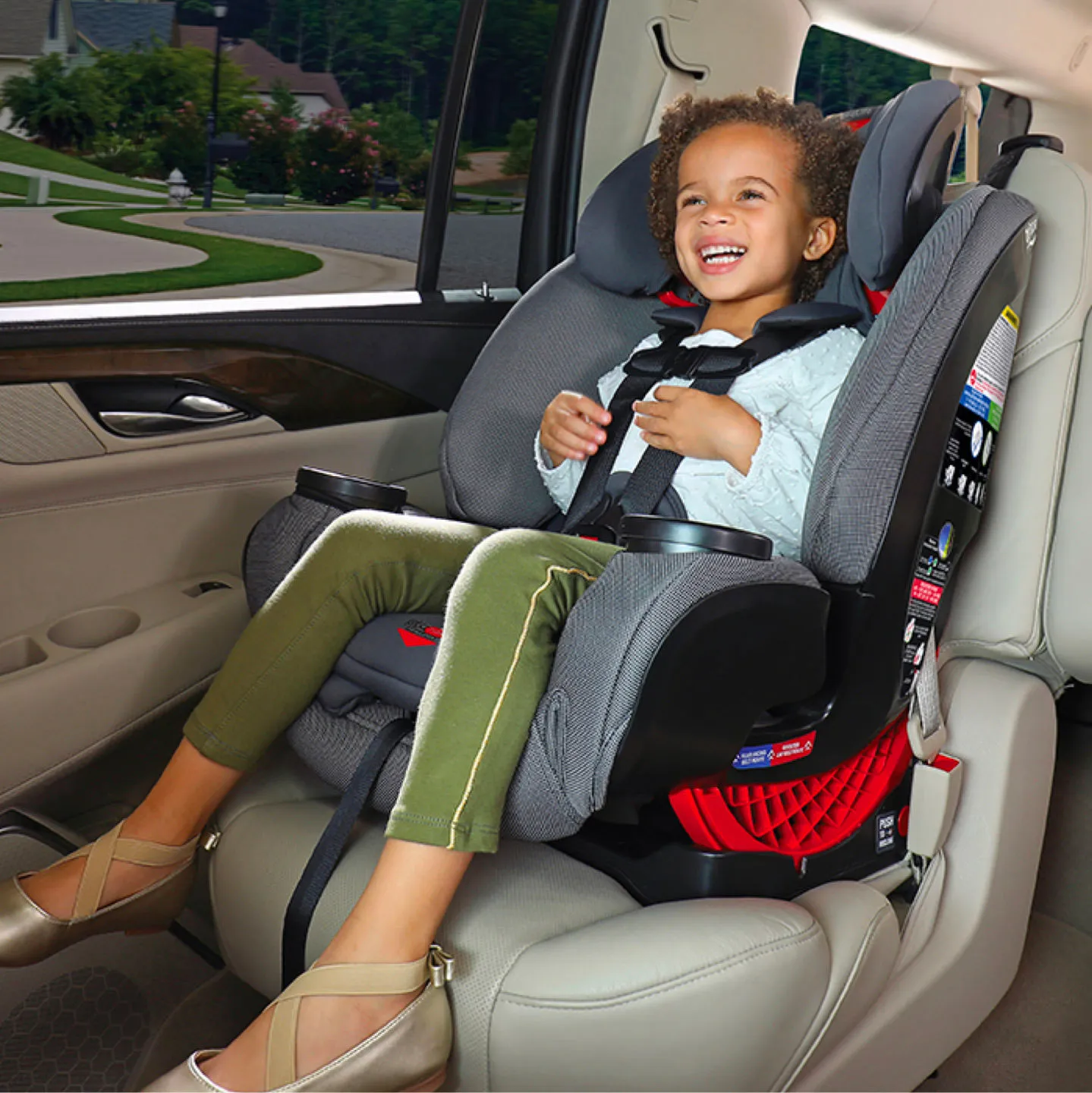
Securing a car seat in your vehicle is critical to ensuring your child's safety. Jeff Lupient shares essential steps and tips to ensure the car seat fits perfectly in your vehicle.

1. Check compatibility. 

Do your research before purchasing a car seat. Look for information in the car seat's user manual or the manufacturer's website to ensure compatibility with your vehicle's make and model. According to Jeff Lupient, some car seats are designed with specific vehicles in mind, so matching them appropriately is crucial. Review your vehicle's owner's manual for instructions and recommendations for child safety restraints and car seat installation. This will give you insights into your car's specific requirements.

3. Seek professional help. 

Jeff Lupient suggests visiting a retailer or child passenger safety inspection station when in doubt. Certified technicians are available to assist you in ensuring the car seat fits your vehicle perfectly and is installed correctly. They can also provide valuable insights and demonstrate the proper installation process.

4. Measure the vehicle. 

Before buying a car seat, take measurements of your vehicle's back seat. Jeff Lupient says paying attention to the width, depth, and spacing between seat belts or LATCH anchors is crucial. Ensure there is ample space for the car seat without any obstructions.

5. Check the angle indicator. 

Most car seats have an angle indicator to help you achieve the correct recline angle. Ensure that your vehicle's seats allow for the proper angle without causing interference with the car seat's installation.

6. Inspect seat belts and LATCH anchor points.
Examine your vehicle's seat belts and LATCH anchor points for functionality. These are critical for securing the car seat correctly. Double-check that there are no damaged or malfunctioning components.

7. Secure the installation. 

Follow the manufacturer's instructions to install the car seat in your vehicle. Ensure it is secure and does not move more than one inch in any direction when properly installed. Use your body weight to fasten it securely. Check that the car seat fits snugly against the seat, with no visible movement or gaps between the two.

8. Consider rear-facing vs. forward-facing. 

Depending on your child's age and size, you may need to choose between a rear-facing and forward-facing car seat. Jeff Lupient suggests checking if your vehicle can accommodate the type of car seat you require. If you have multiple vehicles, test the car seat's fit in each one. Different car seats may fit better in various vehicles.

Properly installing a car seat will give you peace of mind, knowing that your child is secure and protected while on the road. Remember, the safety of your little one should always be a consideration.

Jeff Lupient will discuss more tips and advice on buying and installing car seats in future articles. Follow this page for updates.

Tuesday, October 17, 2023

Jeff Lupient: Important Information Regarding Car Seats

Jeff Lupient shares vital information about car seats.

Jeff Lupient: Important Facts About Car Seats

istockphoto.com
When driving your car, your most important responsibility is keeping your passengers safe. If you're a parent, odds are your passenger is your child.

Every year, many children get hurt in car crashes. Because of this, it's paramount to use car safety seats properly. However, because so many different seats are available on the market, Jeff Lupient says many parents have difficulty choosing. To help out, he shares some important facts about car seats for children, which could aid parents in choosing the best and safest car seat for them.

On seat belts

If you install a car seat using the car's seat belt, Jeff Lupient says you must ensure the seat belt locks and holds the seat tightly. In a majority of newer cars, you can lock the belt by pulling it all the way out before allowing it to retract. It will keep the seat belt tight around the car safety seat. 

In addition, car safety seats come with built-in lock-offs, which means you can lock the belt, and you don't have to lock the seat belt separately. 

You can check the vehicle owner's manual for details on how your seat belt locks.

On the safest spot in the car for children

istockphoto.com
The safest place in a vehicle for children younger than 13 is the back seat, according to Jeff Lupient. If possible, it may be best for the child to ride specifically in the middle of the back seat. That said, installing a car safety seat tightly and securely in the middle is sometimes challenging, especially if the vehicle seat is narrow or uneven. Many vehicles don't have lower anchors for this position.

It is safest and best to put the car seat in a position where you can install it tightly and securely with either the lower anchor system or the seat belt. Jeff Lupient mentions that in some cases, this position may be on one of the back seat's sides, not the middle. Child passenger safety technicians (CPST or CPS technicians) are available to help you decide which place is best to install the seat in your vehicle.

On features that absorb crash energy

There are load legs and anti-rebound bars in rear-facing seats that help absorb the energy of a crash. Load legs decrease forward rotation in the initial phase of a car crash. On the other hand, anti-rebound bars protect the child during the second phase of a car crash from rearward rotation, explains Jeff Lupient.

More discussions and information about car seat installation and safety will be featured on this Jeff Lupient page. 

Friday, May 17, 2019

Beware the hidden problems with car brakes

Being the owner of a multiple-state car dealership chain, MN-based Jeff Lupient has seen his share of clients who have been taken by surprise with car troubles. Often, these car owners have no clue just what needs to be repaired or replaced in their automobiles until it’s too late.

Image source: honisoit.com
Mr. Lupient notes that one of the most important parts that car owners have to look out for is the brakes since it ties directly to passenger safety. Having the brakes compromised increases the risk of road accidents exponentially.

While other symptoms of brake trouble can be spotted right away, some signs may escape a car owner’s attention. Take for instance wheel vibration. While wheel vibration can mean a number of different things, it can also mean that the brake pads have frozen and the brakes have failed.

Image source: team-bhp.com
Another sign of faulty brakes, Jeff Lupient notes, is unsynchronized braking, or when one brake brakes ahead of the other. This is dangerous since it may turn the car completely around at high speeds.

But one of the hardest things to spot is insufficient braking. Mr. Lupient urges car owners to pay careful attention to the braking especially when they sense something is wrong with the car. If the rate of deceleration is lower than usual, it may be time to have the brakes checked.

Jeff Lupient is the CEO and president of MN-based Lupient Automotive Group. He is highly skilled in automobile sales, customer retention, and process improvement. For more articles like this, visit this
blog.

Thursday, July 12, 2018

Seven Important Tips For Fuel Efficiency

For one minute, fuel prices are stable; the next, they’re soaring.  Because of this, many people opt to get a hybrid car, one which uses more than one method of propulsion, combining petrol or a diesel engine with an electric motor.  However, most drivers still use vehicles that rely fully on petrol or diesel as fuel.   Here are some tips for more efficient fuel consumption.

Minimize car use.  On short trips, it’s better to walk or carpool to save on fuel.  This can also benefit the environment as a car’s catalytic converter (the exhaust emission control device) does not operate properly until it’s warmed up. 

Avoid the rush hour.  To avoid getting stuck in traffic jam for hours, either go to work an hour earlier than the usual morning commute or leave the office later than everybody else.

Image source: pixabay.com

Don’t floor it.  Hitting the pedal to the metal can wastes gas, as the harder one accelerates, the more fuel is wasted.  Step on the gas pedal gently and take about 5 seconds before accelerating the car up to 15mph from a stop.

Drive steadily.  Spurts of acceleration and dips in speed can increase one’s fuel consumption by up to 20 percent.  When driving on a highway, use cruise control.

Leave behind unnecessary weight.  A car needs more fuel to drive around with more weight.  Avoid carrying unnecessary stuff in a car’s trunk to drive efficiently.

Turn the air-condition off.  During windy and pleasant days, it’s better to keep the windows down.  Using the air-conditioning unit whole year round can be costly.

Image source: pixabay.com

Check car tires.  Make sure to pump the tires to the highest pressure recommended by the manufacturer and keep wheels properly aligned to reduce fuel consumption, improve handling, and extend tire life.

Jeff Lupient, the president and CEO of the Lupient Automotive Group in Minnesota, has worked every job in the automotive retail business as early as his mid-teens. For more articles like this, visit this blog.

Thursday, April 5, 2018

How To Handle Objection In Sales

It is easy for salespeople to get discouraged when faced with objections to their pitch, because it is inherent in most people to hate being rejected. However, objections are not always a bad thing, as a matter of fact, they can be a positive response, as long as they are viewed with the right perspective.

Image source: ippogrifogroup.com

An objection is an indication that the prospect is somehow interested in the product or service being offered to them. If they are totally blasé, they would not waste their time presenting their objections or simply respond with indifference.

Objections, though, should be managed well, so that there would be translation of sales. The following are some tips on what to do:


  • Listen with empathy: As soon as salespeople hear an objection, they should not cut in without letting the customer finish his retort. They should learn how to listen with understanding where the customer is coming from to make sure that they could address the real reasons behind the objections.
  • Validate the objection by repeating it: By echoing an objection, customers can be assured that their concerns are being attended to and are given an opportunity to clarify their statement.
  • Practice answering objections: An effective way of handling objections is by learning how to answer commonly raised ones. Objections can be anticipated through research and gathering feedbacks from prospects and customers.
Image source: phoneburner.com

Since he was 15 years old, MN-native Jeff Lupient has been in the automotive retail business. He has decades of experience in sales and business development, topics which you can read more about by visiting this website.

Thursday, August 17, 2017

The Six Degrees Of Autonomy Of Driverless Cars

In 2014, SAE International (Society of Automotive Engineers) published the concept of autonomy levels for automated driving systems, which the National Highway Traffic Safety Administration has already adopted. Here is a primer on the six degrees of autonomy:

Level 0 (No Automation): The human driver controls all of the driving actions, including acceleration, braking, throttle, and steering.

Image source: news.moov.com.ng

Level 1 (Driver Assistance): Recent car models already have this kind of automation in forms of adaptive cruise control and park assist. The human driver can have the computer take control of either the steering or acceleration and braking, but never both.

Level 2 (Partial Automation): A level-two automated car can take over both the pedals and the wheels, given certain conditions. The human driver must still keep his eyes on the road and regain control of the vehicle at any time.

Level 3 (Conditional Automation): This degree of automation is similar to the previous one, however, the human driver does not have to monitor the situation that much. The vehicle is capable of deciding on its own whenever dynamic incidents occur on the road, but the human driver serves as the fallback system. Because this autonomy level can cause potential issues on liability, car manufacturers would rather skip this level.

Level 4 (High Automation): A true self-driving car, the vehicle can accomplish all driving tasks on its own. A steering wheel, pedals, and throttle are still installed, though, to allow the human driver to take control if he prefers to.

Image source: martechtoday.com

Level 5 (Full Automation): Cars of this degree of autonomy cannot be driven by a human because there are no steering wheels and pedals.

Jeff Lupient is a hands-on dealership manager who has years of experience in the industry. Visit this website for similar articles on the automotive industry.