Showing posts with label business. Show all posts

Tuesday, March 26, 2024

Exploring Car Seat Safety Standards with Jeff Lupient


Understanding Car Seat Safety Standards with Jeff Lupient

pyxis.nymag.com
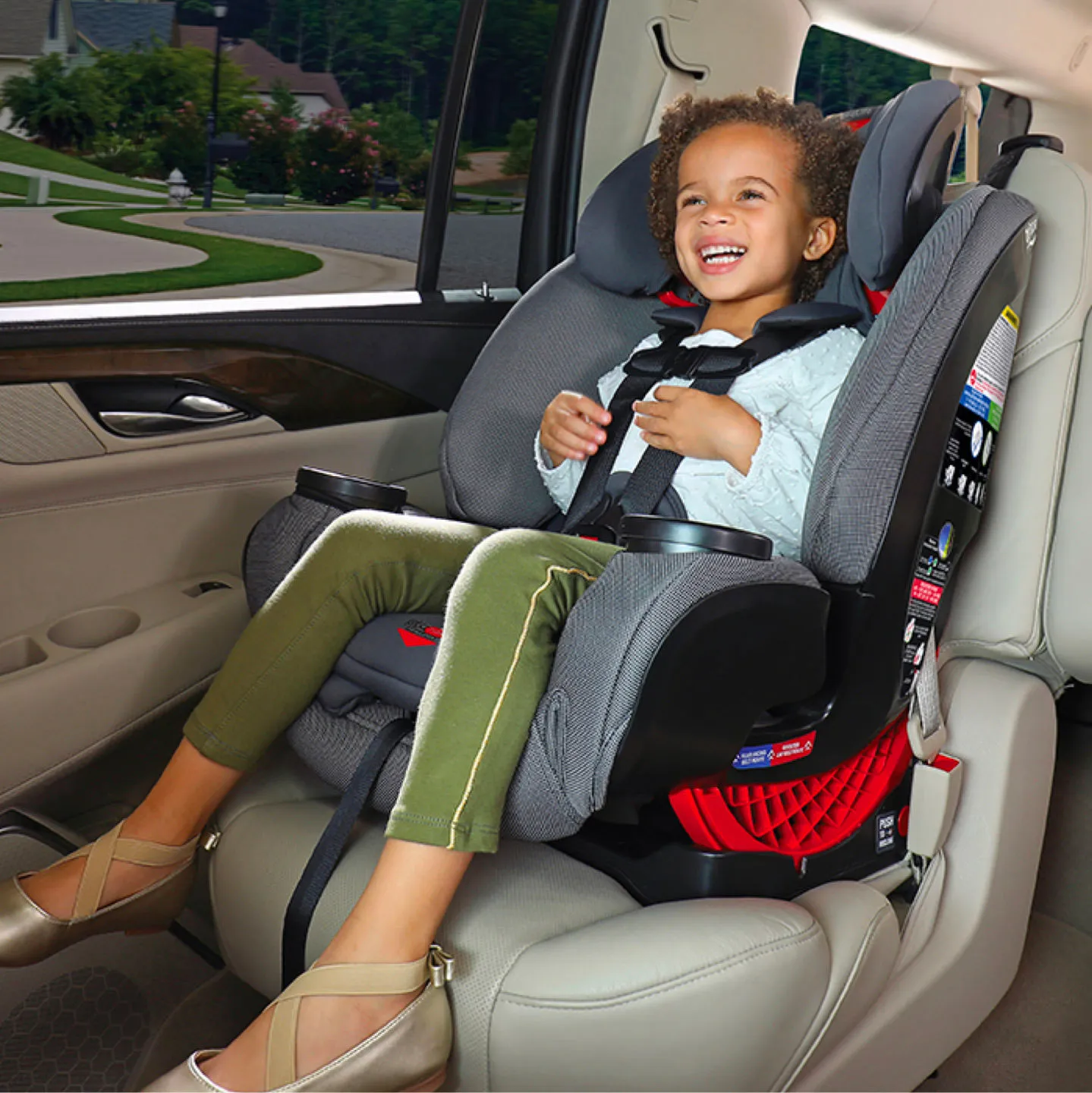
Car seat safety standards are vital for protecting children and passengers in vehicles. According to Jeff Lupient, these stringent guidelines, crafted by manufacturers to meet government regulations, health organization standards, and industry benchmarks, help customers choose the right product based on factors like age, weight, height, and vehicle fit. Embracing these standards in parenting decisions ensures a safer travel experience. Manufacturers must adhere to specific design and testing parameters to meet car safety standards. Rigorous testing ensures that each car seat model offers reliable protection, instilling trust in consumers for child safety during accidents or sudden stops. Compliance with these standards enables injury prevention and reduction. Regulators and automakers rely on these guidelines to ensure effective testing and proper installation practices are in place.

When national laws mandate car seat usage, the effectiveness of car seats improves significantly. Understanding how car seat safety standards contribute to life-saving products being more widely available in the market is crucial.


What are the Car Seat Safety Standards?

When selecting car seat safety equipment, it is crucial to consider the various safety standards that could impact your purchase decision. Different countries and regions have specific laws and regulations governing the usage of car seats. Therefore, having a good grasp of the safety standards relevant to your location is essential to ensure that you acquire the most optimal and secure product available.

In the United States, car seats are required to comply with the Federal Motor Vehicle Safety Standard (FMVSS) 213 before being permitted for use in a vehicle. These standards involve subjecting a sample of each model to crash tests at 35 miles per hour (mph) conducted by a government-certified laboratory. Jeff Lupient adds that the performance tests encompass aspects like maximum crash force limits, user-friendly installation designs, and clear instructional labels to aid parents in correctly installing their car seats. Furthermore, some states have specific requirements that manufacturers must adhere to before selling their products within that state. These requirements may involve criteria like the positioning of vehicle anchors or specific labeling for booster seats designed for children up to 8 years old.

Beyond the U.S., additional safety standards come into play when considering traveling with your child abroad or buying a car seat from a different country. For instance, Canada adheres to the Canadian Motor Vehicle Safety Standard (CMVSS) 213, which includes rigorous testing like an agility assessment for forward-facing restraints. This test can simulate common scenarios of misuse, such as fidgeting or exposure to extreme temperatures during changes in altitude, like those experienced in airline cabins. Meanwhile, the European Union operates under the ECE Regulation R44, focusing solely on rear-facing infant restraints. Their advocacy for enhanced child passenger safety regulations globally is evident through non-binding recommendations that encourage improvements, fostering collaboration among governments with shared interests in road traffic safety (General Assembly Resolution A/50/482).

csus.britax.com

Crash Testing

Crash testing assesses car seat designs' effectiveness in safeguarding occupants during collisions. It examines not only the seat itself but also its interaction with other safety components like anchors and LATCH anchor locations.

Jeff Lupient explains the process involves accelerating a dummy in the seat to a set speed and then colliding it into a wall. Data obtained helps evaluate factors like head protection, injury risk, impact absorption, stability, and response time. Manufacturers must subject their car seats to this testing to meet safety standards.

Frontal Impact

When purchasing a car seat, ensure it meets the latest safety standards set by FMVSS for frontal impact protection. Follow the manufacturer's manual and local authorities' guidelines for proper installation.

For infants up to 1 year and over 20 lbs., use a rear-facing infant-only or convertible seat; older children can switch to forward-facing seats at one year (or 20 lbs.). Look for seats with side impact protection, tether anchors, and shoulder pads for comfort and safety.

When installing a rear-facing seat, position the base at a 45-degree angle between the backrest and the vehicle seat. Ensure a secure fit without gaps for emergencies.

For children 4-8 years old (or 40 lbs.), check if they fit properly by measuring shoulder level with ears. Use booster seats if needed for maximum protection during travel.

Side Impact

Side impacts contribute to about 25% of all traffic fatalities, underscoring the importance of a car seat that offers robust protection in such collisions. Jeff Lupient notes that the aim is to provide sufficient cushioning and containment to secure the child and prevent ejection in a side impact. Car seats with higher safety ratings typically feature reinforced side walls and internal structural enhancements for added protection. Additionally, these seats may offer features like adjustable headrests and side bolsters for extra cushioning in case of an accident. Look for seats with adjustable straps and buckles to accommodate different sizes and support kids through growth spurts. Aim for a top-rated car seat in crash tests that assess both frontal and side impacts to ensure the child's security in any situation.

Rollover protection

It is crucial when choosing a car seat. In a rollover, the seat limits your child's movement and shields them from the vehicle's impact. Car seats undergo rigorous testing, including rollover simulations. They must maintain their shape and integrity to meet safety standards.

For added safety, opt for car seats with deep, wide sides and secure harnesses with multiple points of contact. Look for seats that have undergone side-impact and lateral-impact testing for extra reassurance.

Weight and Height Limits

Ensure your child is securely fastened in a car seat suitable for their age and weight. Adhere to the seat's specific weight, height, and maximum capacity limits to maintain their safety. Seats with higher weight limits should have adjustable straps for secure and comfortable positioning. Rear-facing seats cater to narrower weight ranges, while convertible styles accommodate a wider range of children. Jeff Lupient suggests checking manufacturer guidelines for weight and height recommendations due to brand variations. Height Limitations: Manufacturers provide height recommendations for their seats to determine if a child has outgrown it. Heights range from 32 to 52 inches, with higher ranges for booster seats to fit the lap belt correctly over the child's hips.

Stay tuned for additional discussions and insights on car seat installation and safety on Jeff Lupient 's page.

Thursday, December 28, 2023

Jeff Lupient: How to Buy a Good Car Seat Online

Jeff Lupient: Tips for Buying a Car Seat Online


Image source: img.freepik.com

There are a couple of tips to keep in mind when buying a car seat online, notes Jeff Lupient. Online shopping is a good option to avoid crowded areas, but it is important to follow a few guidelines to ensure you get a car seat that meets federal safety guidelines.

When buying a car seat, make sure it fits in your car and can be installed properly every time. It is also important to check the height and weight limit of the car seat to ensure you get one that is appropriate for your child, adds Jeff Lupient.

The National Highway Traffic Safety Administration has developed several resources to help you determine which type of car seat to use. Also, it gives you the option to compare different types of car seats. Once you know which kind of car seat to buy, you must get one that meets federal guidelines. When purchasing online, it can be very difficult to determine if you are getting a car seat from a third party. If you don't know what to look for, you may end up getting a counterfeit seat.

Here are a couple of things to keep in mind when buying a car seat online:

• Buy the car seat directly from the manufacturer so you can be sure the seat is not a knockoff or counterfeit seat.

• Be careful when buying seats on Amazon or other sites that allow third parties to sell seats. Many counterfeit seats are unsafe as they do not meet the federal safety guidelines.

• Even if the car seat looks the same as the original, it may not have met safety standards.

• Be careful with deals that seem too good to be true or car seats that are very cheap.

.. • Check the American Academy of Pediatrics to see if the car seat brand is listed on their website. All car seats that are listed on the website meet federal safety guidelines.

• When buying from a retailer, make sure it is a reputable retailer that sells seats directly from manufacturers.

• Check to make sure they have a return policy.

• Never buy a used or secondhand car seat from social media. Jeff Lupient does not recommend buying a used seat because you do not know the history of the seat. If the seat has been involved in an accident or is missing any of the safety features, it is not safe to use.

Image source: img.freepik.com


It is the primary duty of parents to make sure their child is safe and healthy at all times. Buying a car seat is one of the many important decisions you must make to ensure your child's safety, adds Jeff Lupient.

Learn more about car seat safety and features by subscribing to this Jeff Lupient blogsite.

Monday, June 12, 2017

Understanding The Relationship Between Sales And Marketing

It is easy to mix up sales and marketing because both activities are aimed at increasing revenue. And in small businesses, the same department or people fulfill sales and marketing responsibilities. In reality, there is a clear distinction between the two, but they go hand in hand if the organization wants to bring in more revenue.

Image source: enimarketing.com

The role of salespeople is to “sell what is in stock.” There is already a set amount and specific types of products or services which the sales department aims to sell to customers. They develop means to ensure that they reach the target sales level, and these include fostering a relationship with clients and partners, learning how to communicate properly with customers, ensuring that the transaction goes smoothly, and other similar actions.

Marketing, meanwhile, aims to direct the organization toward the appropriate market segments and attract the customers (both new and current) to its products and services. They are also tasked with analyzing the market and industry, implementing pricing strategies, research, and much more.

Image source: salesforce.com

Sales is primarily focused on the “now,” making sure that there is business at present and in the near future. Marketing has a longer perspective to give the organization an idea of how to bring in sales in the future and build lasting relationships with customers and partners.

Jeff Lupient, CEO and president of Lupient Automotive Group, started in the industry when he was 15 years old, working for his family’s chain of car dealerships. He eventually went on to experience every position and job in the automotive retail business, leading to him developing top-notch skills in automotive sales. Visit this page for more information about him and his work.


Wednesday, September 21, 2016

The Importance Of Customer Retention In Business Success

Any company’s marketing department strives and deploys resources to increase market share. While this can be an effective tool of ensuring business survival, an even more important undertaking is taking care of old customers and inspiring loyalty among the new ones.

http://cdn2.hubspot.net/hub/53566/file-2285638810-jpg/blog-assets/customer_retention_with_crm_software_(2).jpg

 Image source: bigcontacts.com

Customer retention should be every business’s priority because of its contribution to not just the company’s survival, but also to its sustainability and success.

Several marketing studies have shown that attracting new clients is five times as costly retaining old ones. A two percent rise in customer retention impacts the business the same way as decreasing costs by ten percent. And a five percent increase in customer retention can raise profits by as much as 125 percent.

http://www.airlinequality.com/wp-content/uploads/2015/07/Garuda_First_concierge.jpg
 Image source: airlinequality.com

The major reasons that customers leave a brand are their perceived indifference towards the brand and poor customer service.

Consistent and engaging customer service must therefore be implemented across all platforms and channels. Giving clients the royal treatment as they avail of products or services is imperative. Additionally, as many customer service outlets as possible should be activated to provide the clients a venue to raise their concerns and receive help.

Incentives for long-time customers can also go a long way in sending these clients the message that they are valued.

The extensive experience of Jeff Lupient in various automotive dealership companies and academies has provided him sufficient knowledge in giving top-notch service and developing lasting customer relationships. Visit this LinkedIn profile to learn more about his line of work.

Tuesday, August 23, 2016

The Unique Rewards Of Hands-On Management

Image source: hasc.org
A good leader has an accurate grasp of what goes on at the frontline of a cutthroat business environment, where fierce competitors vie for the biggest share of the market. The best way to achieve this awareness is to be right in the thick of the action through hands-on management.

Direct supervision of any business puts you in the best position to ensure that things are in order. The view from the top may be breathtaking, but seeing things at the lowest level shows problematic aspects that are actionable.

Having the willingness to get your hands dirty, so to speak, not only gives you full exposure to what transpires in the workplace. It also provides you with the proximity to what goes on in your industry from the ground and the frontline. Here the rewards may be small, but they come in much faster, as transactional cycles are much shorter.

When a top decision-maker goes down to the ground, this eliminates the need for cumbersome reporting that has to rise to the chain of command, saving time. Decisions will have to be made and sometimes they need to be made quickly. Furthermore, hands-on engagements give the best view to expanding existing business and to make quality decisions based on the most relevant information.

Image source: tipofthespearventures.com
A leader who aspires to inspire work ethic can do this best by showing his team how it’s done. This is probably the best way to earn respect. If you tell someone to do something, show that you can do it yourself, and they will naturally follow your lead.

The Lupient Automotive Group is a firm based in Minnesota. It is headed by its president and CEO, Jeff Lupient, a hands-on manager who uses his knowledge of the industry and years of experience to provide top-notch service and cultivate long-lasting customer relationships. For more business and management articles, follow this Twitter account.