Showing posts with label car care. Show all posts

Tuesday, April 30, 2024

What to Do with Your Car Seat After an Accident: Insights from Jeff Lupient


Navigating Post-Accident Car Seat Decisions with Jeff Lupient

media1.popsugar-assets.com
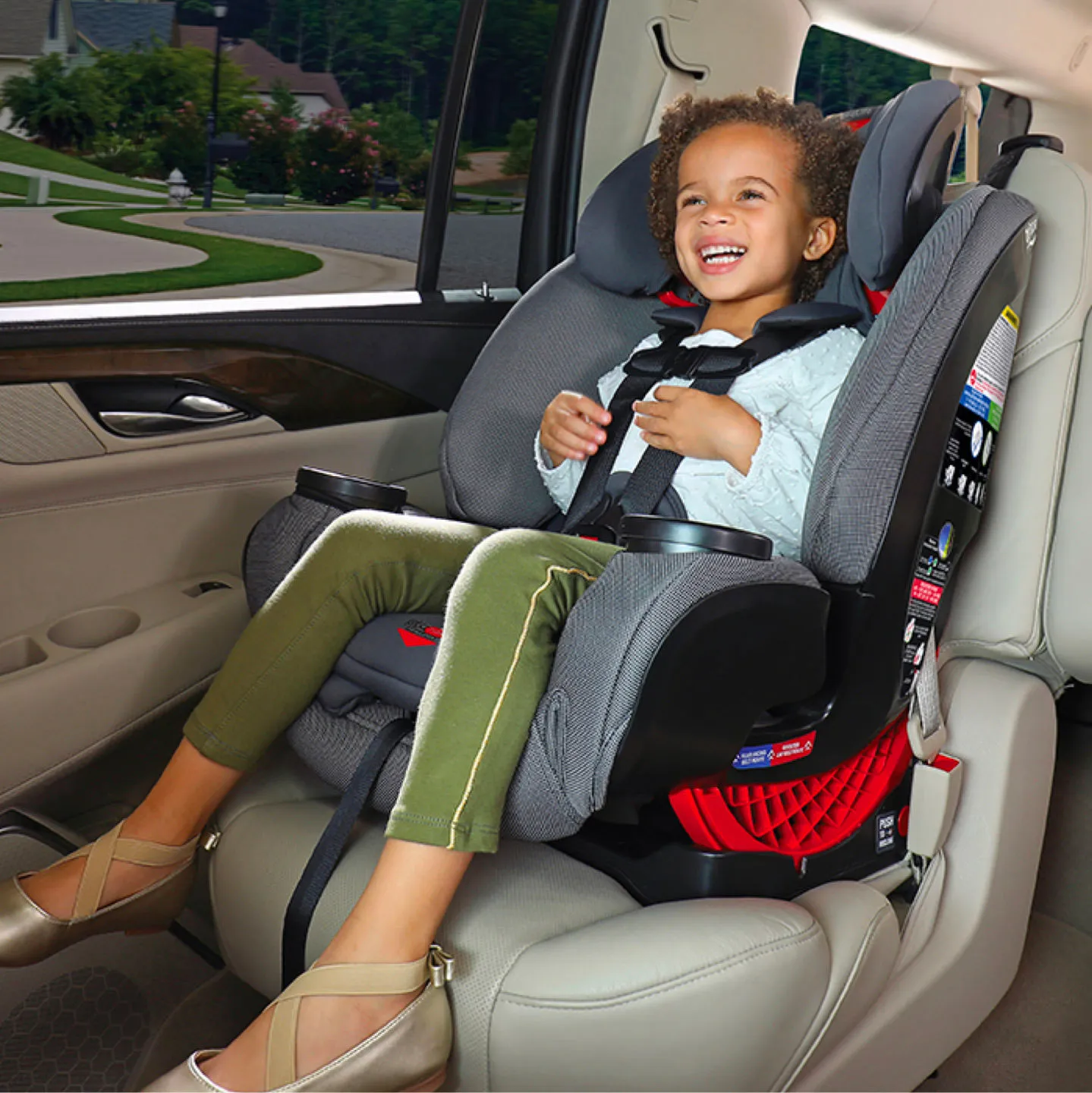
Car seats play a vital role in safeguarding passengers, especially young children, by offering the essential support and protection needed during vehicle journeys. These seats are engineered to significantly diminish the risk of injury should an accident occur, acting as a critical barrier between the child and potential harm.

Jeff Lupient emphasizes that after experiencing a car accident, it's absolutely imperative to manage your child's car seat with the utmost care to ensure their continued safety. To achieve this, he outlines specific steps that parents and guardians should meticulously follow, reinforcing the importance of car seats in the overall safety strategy for children during vehicular travel.


Assess the severity of the crash.

If the crash was minor, meaning there was no significant damage to the vehicle and no injuries reported, you may not need to replace the car seat.

However, it's crucial to carefully review and adhere to the manufacturer's guidelines regarding crash impacts.

For moderate to severe crashes, where the vehicle sustains considerable damage, or there are injuries, it's imperative to replace the car seat with a new one to ensure the safety of your child.


Adhere to NHTSA recommendations.

It is imperative to replace the car seat if it meets any of the following conditions:

The vehicle was involved in a collision severe enough that it required towing from the crash site, indicating a significant impact.

The car seat was located near a door that sustained damage during the crash, potentially affecting the seat's safety.

Any occupant of the vehicle sustained injuries during the crash, suggesting the collision was serious.

Airbags, whether they are front, side, or knee airbags, were deployed, indicating a forceful impact.

The car seat shows visible signs of damage, such as cracks in the plastic, creases in the fabric, or any broken parts, which could compromise its structural integrity and safety.

Jeff Lupient notes it's crucial to note that even if the car seat was unoccupied during the incident, it could still have been subjected to crash forces powerful enough to compromise its integrity, making it unsafe for future use.


Follow the manufacturer's instructions.

Some manufacturers strongly advise that you replace the car seat after any crash, no matter how minor or severe the impact may be, to ensure the utmost safety for your child.

It's important to consult the user manual of your specific car seat model for detailed instructions and recommendations on replacement after an accident.


Consider insurance reimbursements.

Talk with your insurance company regarding the possibility of obtaining reimbursement for car seats. This can significantly reduce the financial burden associated with purchasing a new car seat for your child.

Be aware that in certain states, such as California, insurance companies are required by law to cover the full cost of a new car seat if it's needed. This legislation ensures the safety of young passengers and provides financial relief to families.


fourwaysreview.co.za

Follow proper disposal.

To guarantee that the old car seat is safely disposed of and not reused, follow these detailed steps:

Start by removing the seat cover. This is often the first step in making the car seat less appealing for reuse.

Next, cut off the straps with a strong pair of scissors or shears. Alternatively, you could use a hammer to smash the seat shell, making it structurally unsound for use.

Lastly, clearly mark the seat with a permanent marker, writing "DO NOT USE" or "EXPIRED" on it. This serves as a final precaution, deterring anyone from attempting to use the car seat for a child.


Jeff Lupient emphasizes the paramount importance of your child's safety, insisting that adhering to the manufacturer's recommendations and guidelines should always take precedence, particularly after a crash. He advises that taking the time to thoroughly review and follow these safety instructions can significantly mitigate risks and ensure the well-being of your child in the event of an unexpected incident.

Read more articles about car seat safety and features by subscribing to this Jeff Lupient page.

Tuesday, March 26, 2024

Exploring Car Seat Safety Standards with Jeff Lupient


Understanding Car Seat Safety Standards with Jeff Lupient

pyxis.nymag.com
Car seat safety standards are vital for protecting children and passengers in vehicles. According to Jeff Lupient, these stringent guidelines, crafted by manufacturers to meet government regulations, health organization standards, and industry benchmarks, help customers choose the right product based on factors like age, weight, height, and vehicle fit. Embracing these standards in parenting decisions ensures a safer travel experience. Manufacturers must adhere to specific design and testing parameters to meet car safety standards. Rigorous testing ensures that each car seat model offers reliable protection, instilling trust in consumers for child safety during accidents or sudden stops. Compliance with these standards enables injury prevention and reduction. Regulators and automakers rely on these guidelines to ensure effective testing and proper installation practices are in place.

When national laws mandate car seat usage, the effectiveness of car seats improves significantly. Understanding how car seat safety standards contribute to life-saving products being more widely available in the market is crucial.


What are the Car Seat Safety Standards?

When selecting car seat safety equipment, it is crucial to consider the various safety standards that could impact your purchase decision. Different countries and regions have specific laws and regulations governing the usage of car seats. Therefore, having a good grasp of the safety standards relevant to your location is essential to ensure that you acquire the most optimal and secure product available.

In the United States, car seats are required to comply with the Federal Motor Vehicle Safety Standard (FMVSS) 213 before being permitted for use in a vehicle. These standards involve subjecting a sample of each model to crash tests at 35 miles per hour (mph) conducted by a government-certified laboratory. Jeff Lupient adds that the performance tests encompass aspects like maximum crash force limits, user-friendly installation designs, and clear instructional labels to aid parents in correctly installing their car seats. Furthermore, some states have specific requirements that manufacturers must adhere to before selling their products within that state. These requirements may involve criteria like the positioning of vehicle anchors or specific labeling for booster seats designed for children up to 8 years old.

Beyond the U.S., additional safety standards come into play when considering traveling with your child abroad or buying a car seat from a different country. For instance, Canada adheres to the Canadian Motor Vehicle Safety Standard (CMVSS) 213, which includes rigorous testing like an agility assessment for forward-facing restraints. This test can simulate common scenarios of misuse, such as fidgeting or exposure to extreme temperatures during changes in altitude, like those experienced in airline cabins. Meanwhile, the European Union operates under the ECE Regulation R44, focusing solely on rear-facing infant restraints. Their advocacy for enhanced child passenger safety regulations globally is evident through non-binding recommendations that encourage improvements, fostering collaboration among governments with shared interests in road traffic safety (General Assembly Resolution A/50/482).

csus.britax.com

Crash Testing

Crash testing assesses car seat designs' effectiveness in safeguarding occupants during collisions. It examines not only the seat itself but also its interaction with other safety components like anchors and LATCH anchor locations.

Jeff Lupient explains the process involves accelerating a dummy in the seat to a set speed and then colliding it into a wall. Data obtained helps evaluate factors like head protection, injury risk, impact absorption, stability, and response time. Manufacturers must subject their car seats to this testing to meet safety standards.

Frontal Impact

When purchasing a car seat, ensure it meets the latest safety standards set by FMVSS for frontal impact protection. Follow the manufacturer's manual and local authorities' guidelines for proper installation.

For infants up to 1 year and over 20 lbs., use a rear-facing infant-only or convertible seat; older children can switch to forward-facing seats at one year (or 20 lbs.). Look for seats with side impact protection, tether anchors, and shoulder pads for comfort and safety.

When installing a rear-facing seat, position the base at a 45-degree angle between the backrest and the vehicle seat. Ensure a secure fit without gaps for emergencies.

For children 4-8 years old (or 40 lbs.), check if they fit properly by measuring shoulder level with ears. Use booster seats if needed for maximum protection during travel.

Side Impact

Side impacts contribute to about 25% of all traffic fatalities, underscoring the importance of a car seat that offers robust protection in such collisions. Jeff Lupient notes that the aim is to provide sufficient cushioning and containment to secure the child and prevent ejection in a side impact. Car seats with higher safety ratings typically feature reinforced side walls and internal structural enhancements for added protection. Additionally, these seats may offer features like adjustable headrests and side bolsters for extra cushioning in case of an accident. Look for seats with adjustable straps and buckles to accommodate different sizes and support kids through growth spurts. Aim for a top-rated car seat in crash tests that assess both frontal and side impacts to ensure the child's security in any situation.

Rollover protection

It is crucial when choosing a car seat. In a rollover, the seat limits your child's movement and shields them from the vehicle's impact. Car seats undergo rigorous testing, including rollover simulations. They must maintain their shape and integrity to meet safety standards.

For added safety, opt for car seats with deep, wide sides and secure harnesses with multiple points of contact. Look for seats that have undergone side-impact and lateral-impact testing for extra reassurance.

Weight and Height Limits

Ensure your child is securely fastened in a car seat suitable for their age and weight. Adhere to the seat's specific weight, height, and maximum capacity limits to maintain their safety. Seats with higher weight limits should have adjustable straps for secure and comfortable positioning. Rear-facing seats cater to narrower weight ranges, while convertible styles accommodate a wider range of children. Jeff Lupient suggests checking manufacturer guidelines for weight and height recommendations due to brand variations. Height Limitations: Manufacturers provide height recommendations for their seats to determine if a child has outgrown it. Heights range from 32 to 52 inches, with higher ranges for booster seats to fit the lap belt correctly over the child's hips.

Stay tuned for additional discussions and insights on car seat installation and safety on Jeff Lupient 's page.

Thursday, July 12, 2018

Seven Important Tips For Fuel Efficiency

For one minute, fuel prices are stable; the next, they’re soaring.  Because of this, many people opt to get a hybrid car, one which uses more than one method of propulsion, combining petrol or a diesel engine with an electric motor.  However, most drivers still use vehicles that rely fully on petrol or diesel as fuel.   Here are some tips for more efficient fuel consumption.

Minimize car use.  On short trips, it’s better to walk or carpool to save on fuel.  This can also benefit the environment as a car’s catalytic converter (the exhaust emission control device) does not operate properly until it’s warmed up. 

Avoid the rush hour.  To avoid getting stuck in traffic jam for hours, either go to work an hour earlier than the usual morning commute or leave the office later than everybody else.

Image source: pixabay.com

Don’t floor it.  Hitting the pedal to the metal can wastes gas, as the harder one accelerates, the more fuel is wasted.  Step on the gas pedal gently and take about 5 seconds before accelerating the car up to 15mph from a stop.

Drive steadily.  Spurts of acceleration and dips in speed can increase one’s fuel consumption by up to 20 percent.  When driving on a highway, use cruise control.

Leave behind unnecessary weight.  A car needs more fuel to drive around with more weight.  Avoid carrying unnecessary stuff in a car’s trunk to drive efficiently.

Turn the air-condition off.  During windy and pleasant days, it’s better to keep the windows down.  Using the air-conditioning unit whole year round can be costly.

Image source: pixabay.com

Check car tires.  Make sure to pump the tires to the highest pressure recommended by the manufacturer and keep wheels properly aligned to reduce fuel consumption, improve handling, and extend tire life.

Jeff Lupient, the president and CEO of the Lupient Automotive Group in Minnesota, has worked every job in the automotive retail business as early as his mid-teens. For more articles like this, visit this blog.